A few notes on world History of Etching and Engraving: Techniques, Artists, and Lineages, and how Artificial Intelligence (AI) bridges to the future.
Etching is both a technical process and an evolving artistic language. Below I’ve collected a visual + conceptual timeline of the evolution of etching, showing how technical innovations and artistic influence interact across history. Many brilliant etchers are not in the overview below (Albrecht Dürer, Edgar Degas, …) but all do fit well in this timeline.
ARTIST- AND TECHNICAL INNOVATION
EXEMPLARY WORK + (deeplink to source)
ARTISTIC INFLUENCE
Hopfer (c. 1470–1536) ─ origin of etching
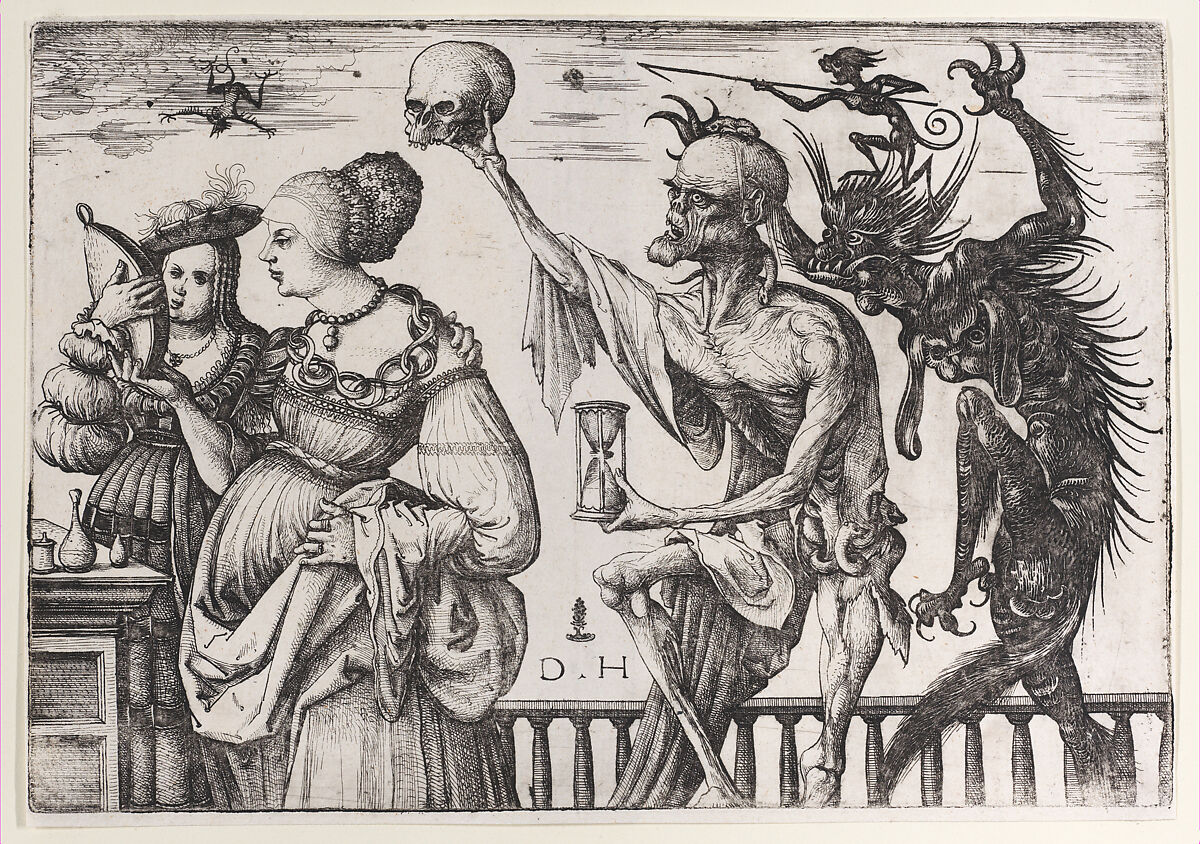
- From decorating armor to independent images. Etching begins as process before art
Parmigianino (1503–1540) ─ fluid drawing-like lines in etching
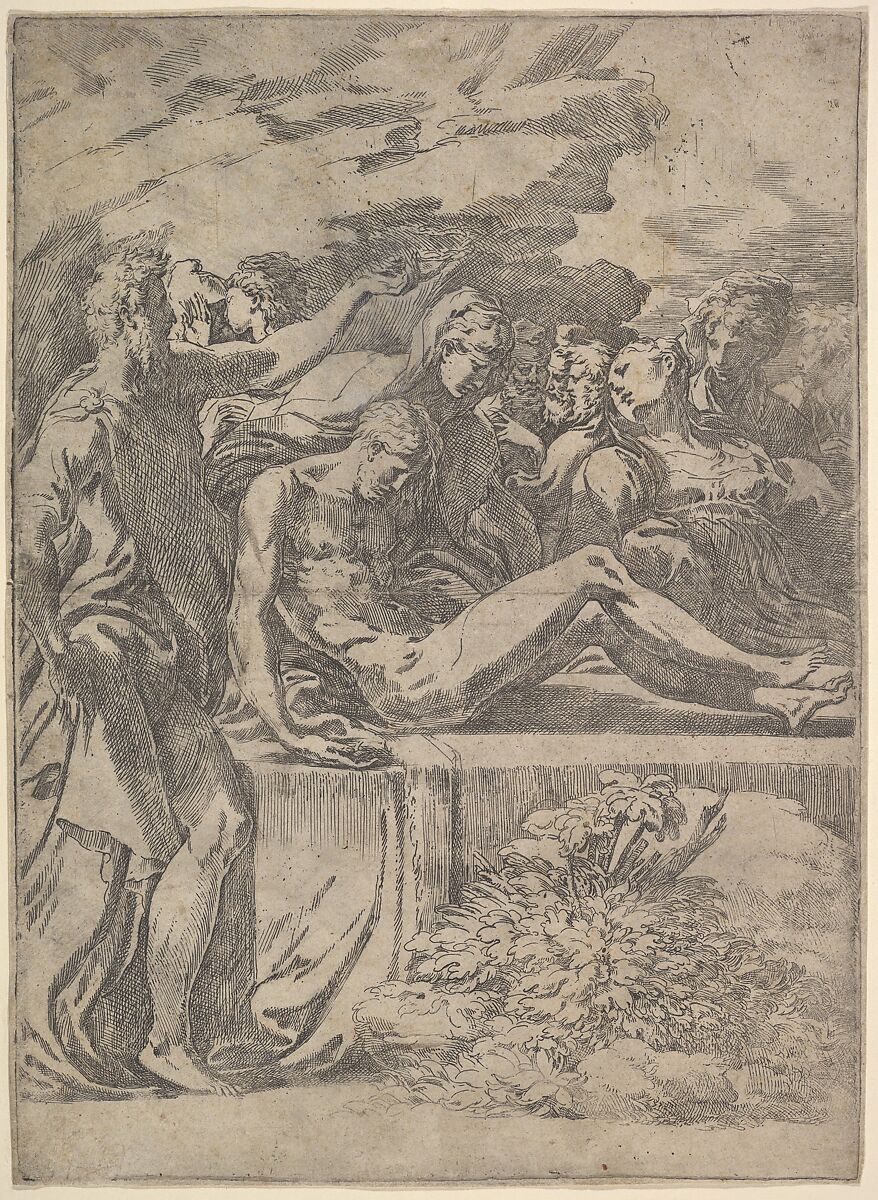
Renaissance Expansion. Etching becomes expressive rather than purely technical
Callot (c. 1592 – 1635) ─ échoppe, controlled line
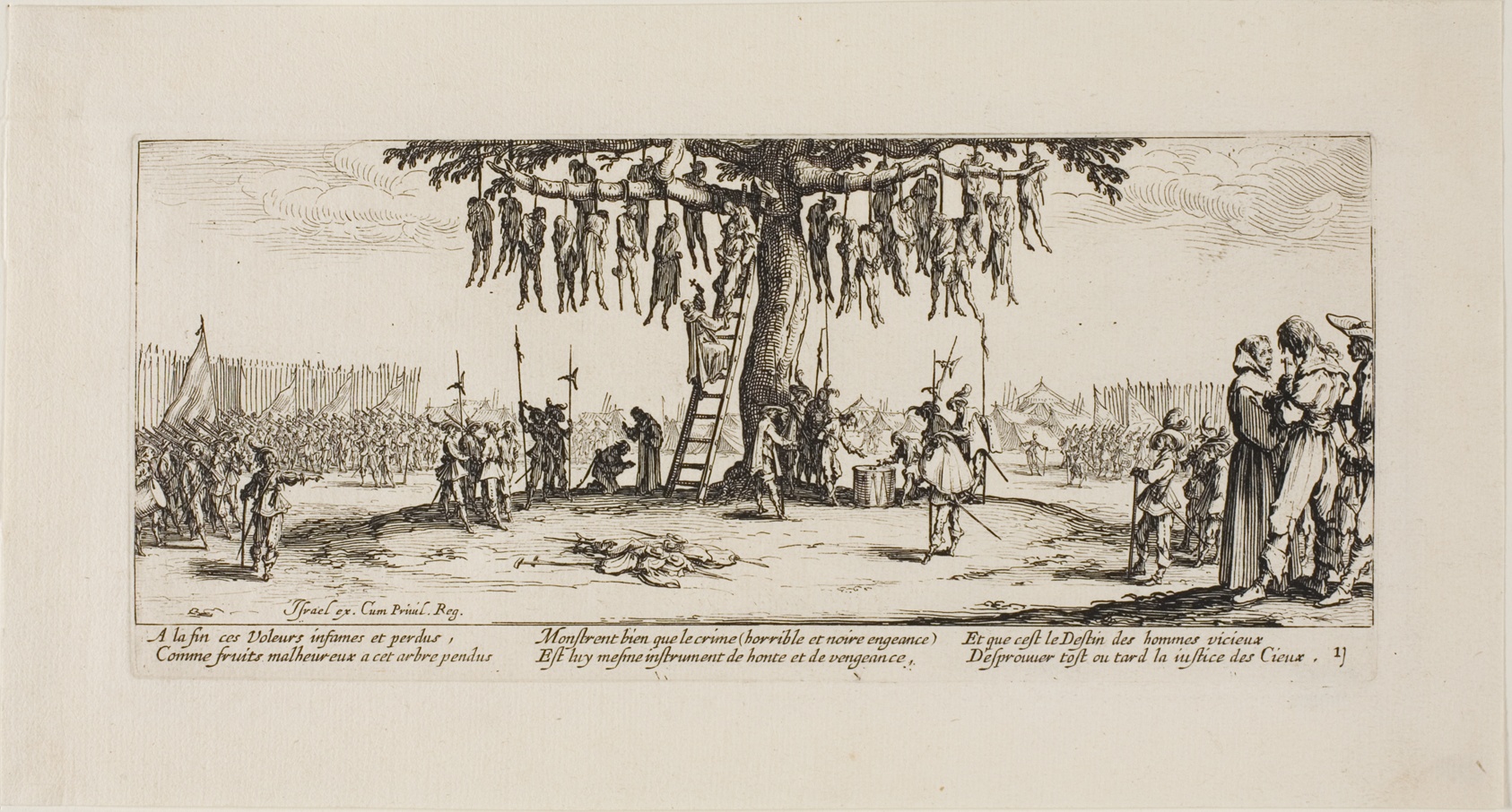
Early Specialist Breakthrough. Complex narrative sequences.
Rembrandt (1606–1669) ─ states, chiaroscuro, mixed techniques
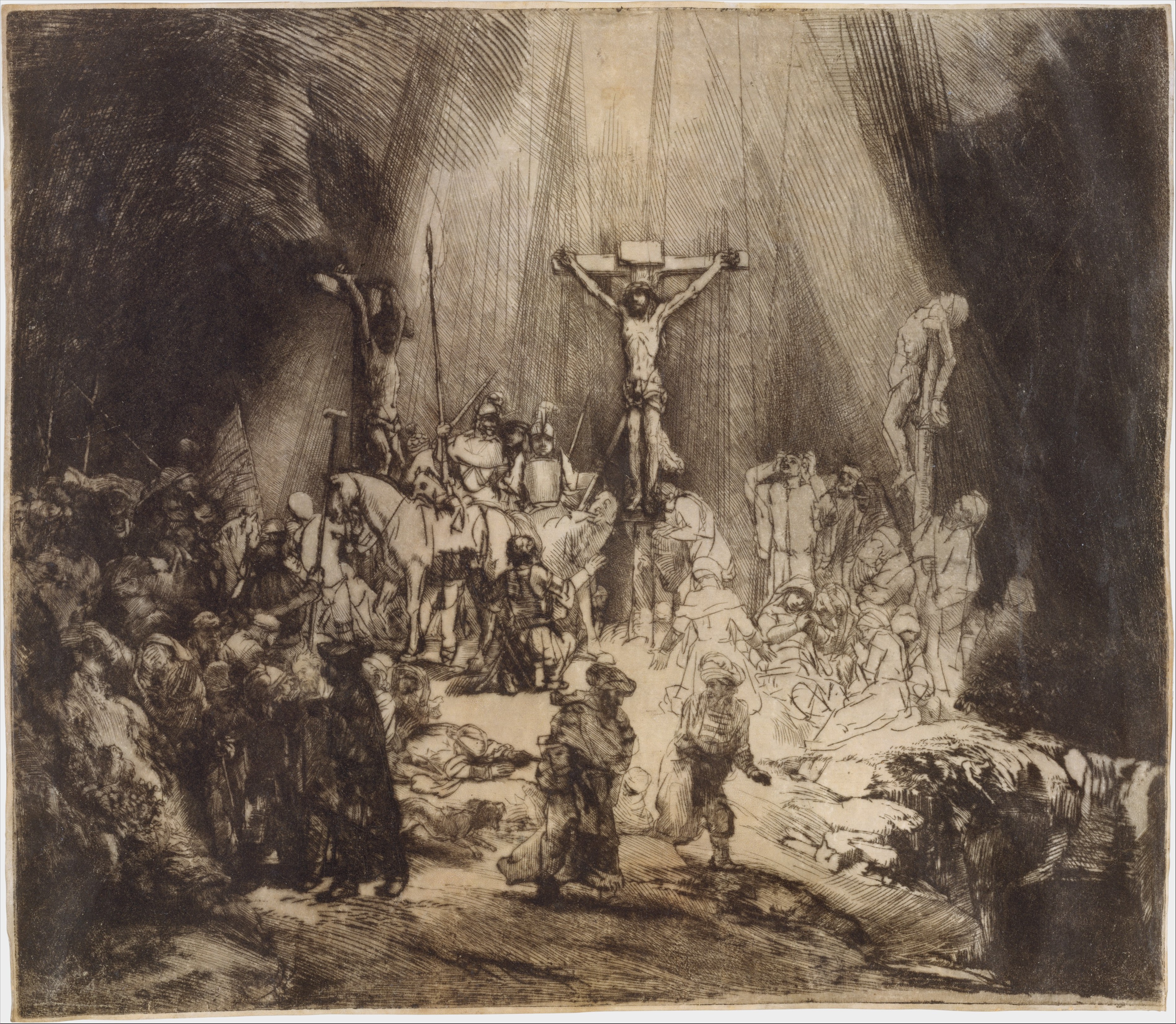
The Golden Age. Etching becomes painterly and temporal.
Piranesi (1720–1778) ─ spatial complexity
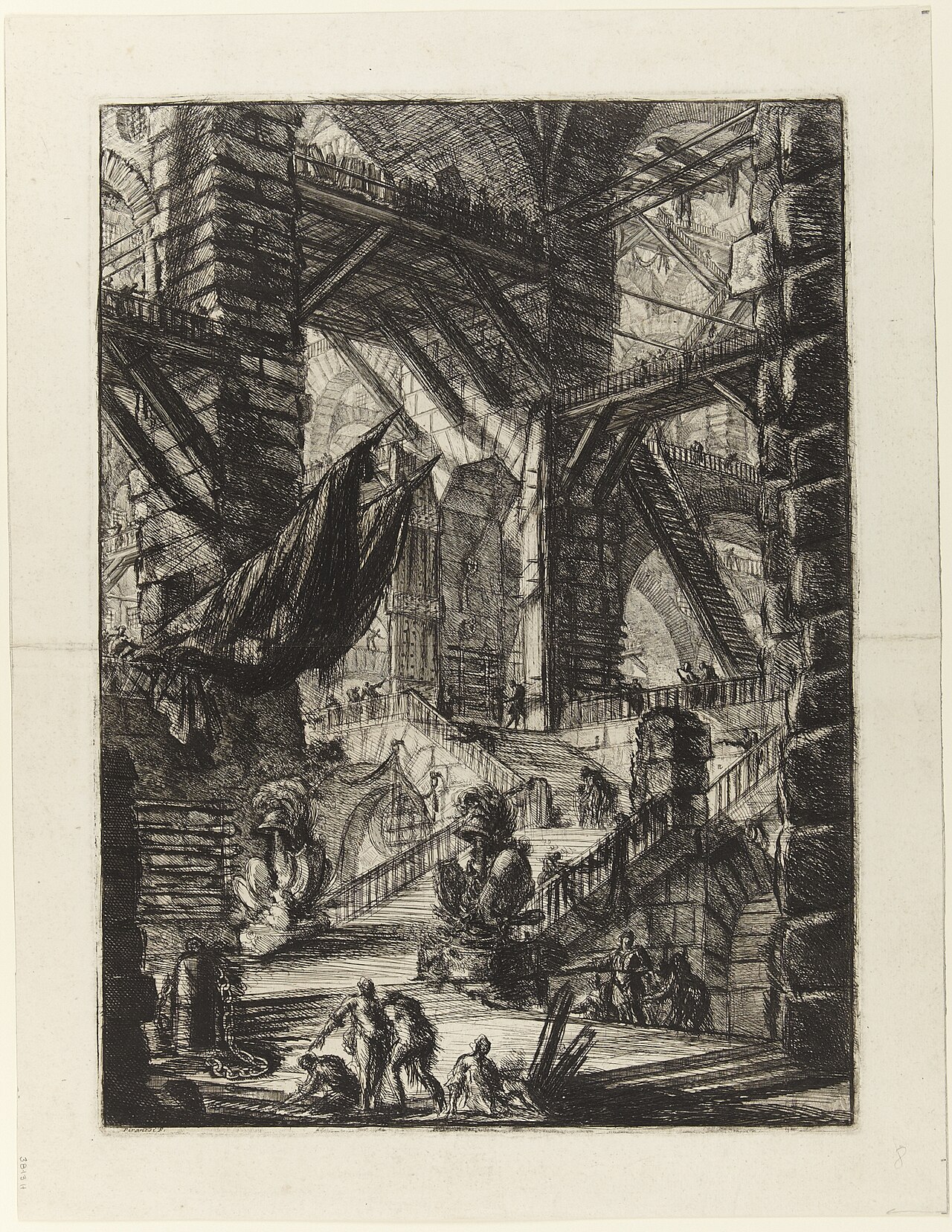
Spatial and Architectural Expansion, etching as immersive space-building
Goya (1746–1828) ─ aquatint + narrative darkness
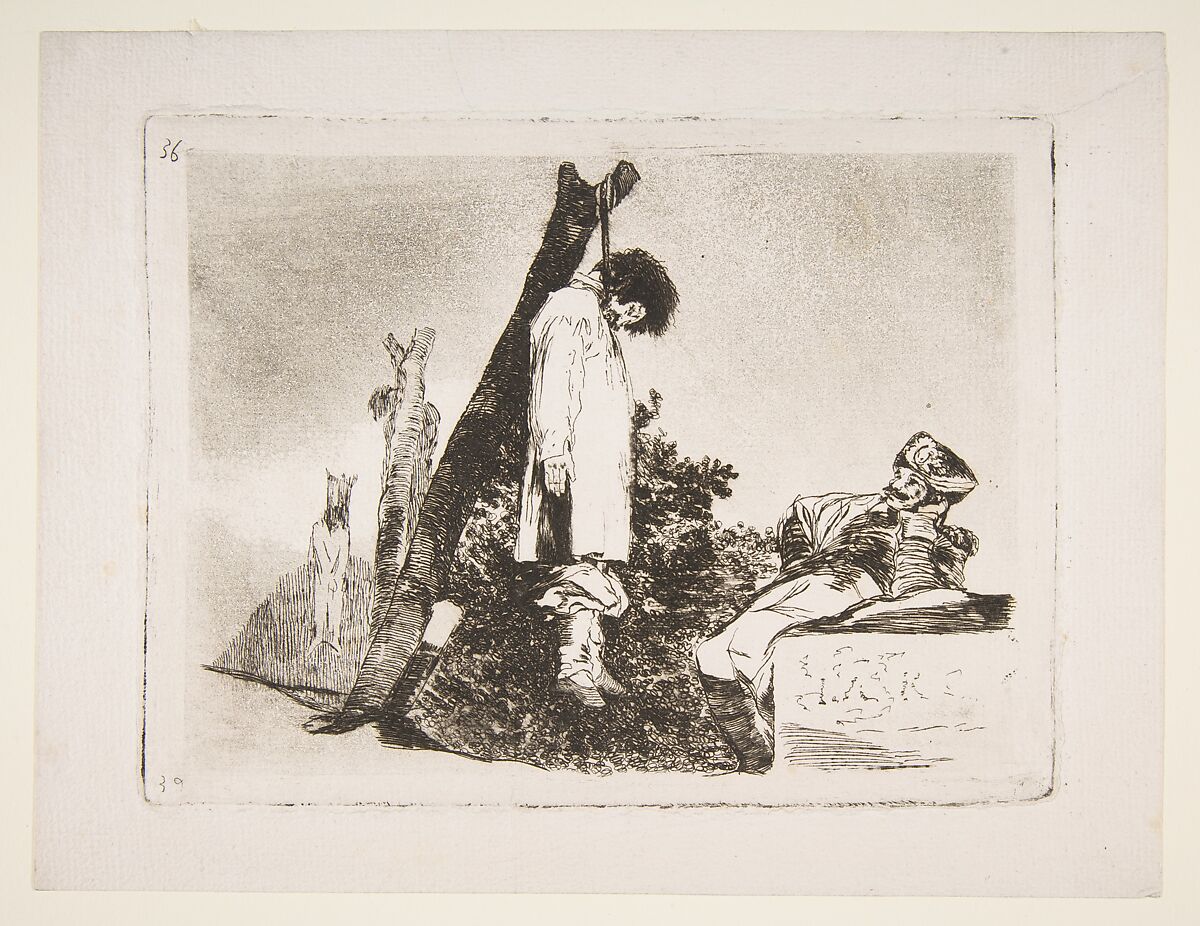
Psychological & Tonal Revolution. Aquatint for tonal depth. Political and psychological intensity.
Meryon (1821 – 1868) ─ precision urban line
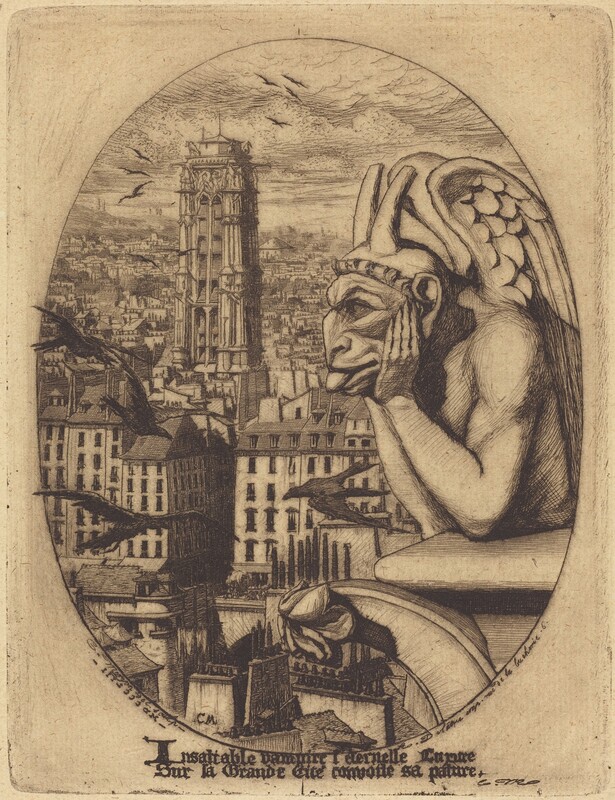
Etching as independent artistic identity. Dark urban imagery.
Whistler (1834–1903) ─ tonal subtlety
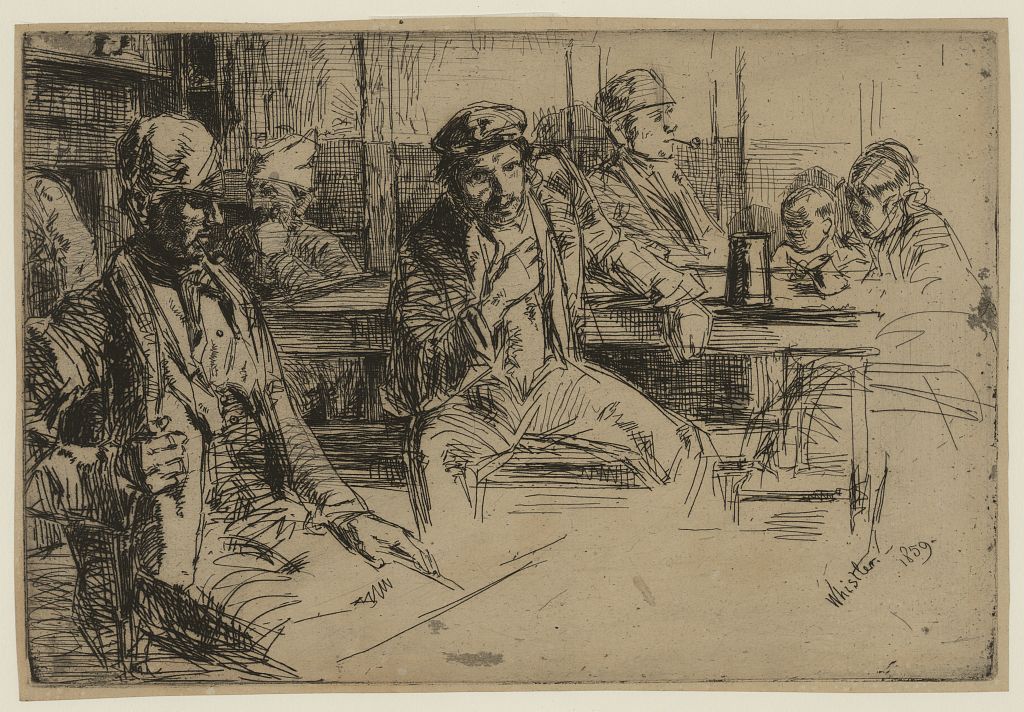
The Etching Revival. Suggestion over description
Kollwitz (1867–1945) ─ emotional line + tone
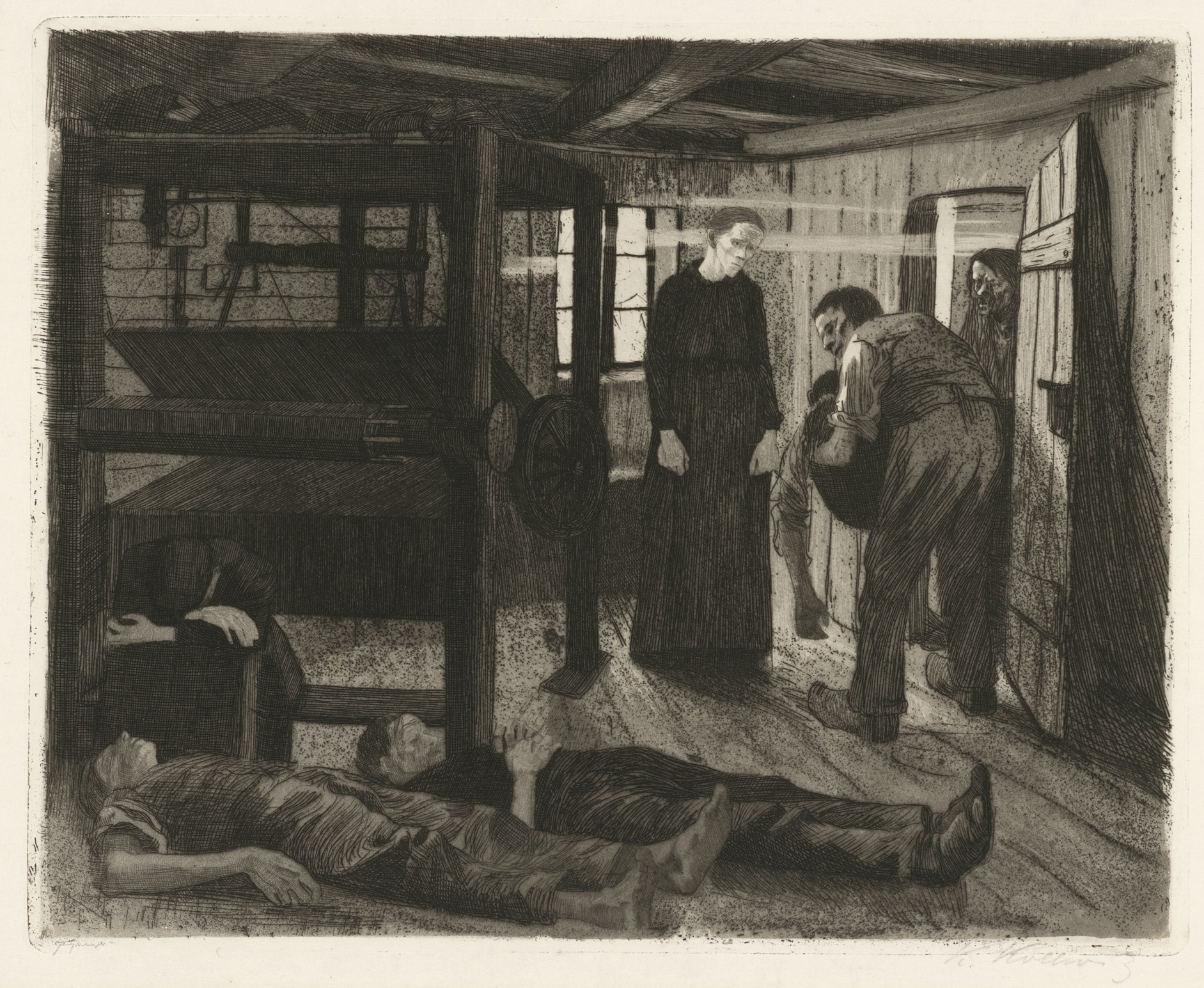
Social Expression. Etching as ethical and human document.
Picasso (1881–1973) ─ experimental synthesis
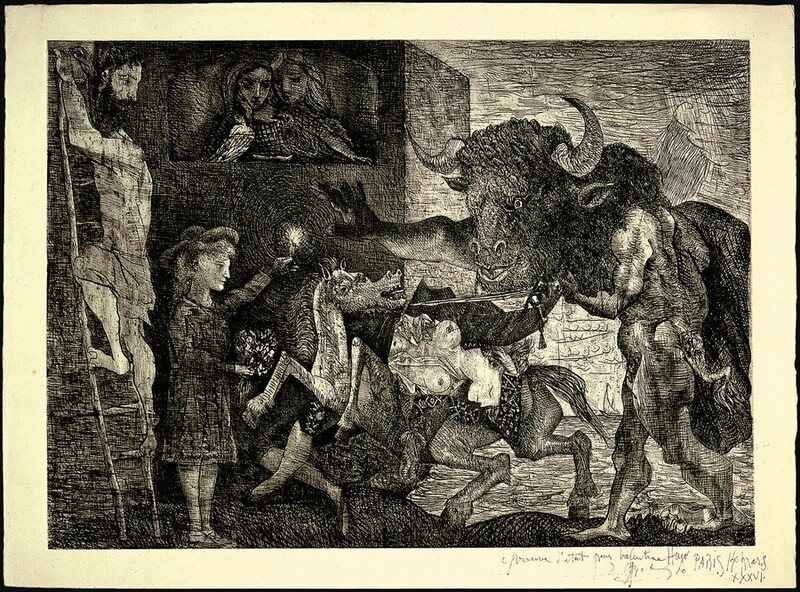
Modernist Expansion. Etching becomes experimental laboratory.
Hayter (1901 – 1988) ─ viscosity printing, studio collaboration
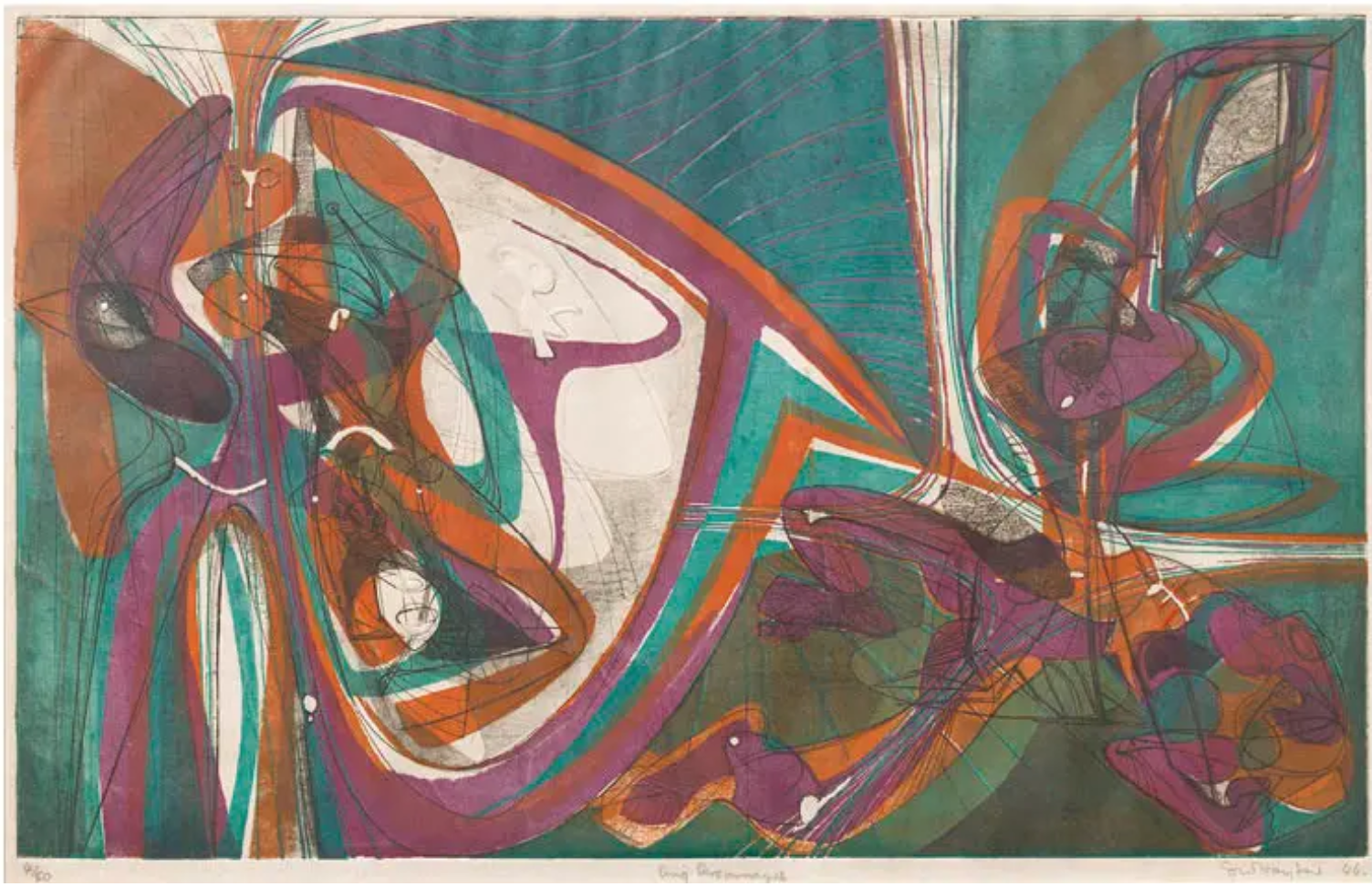
Technical Modernism. Technique becomes system + network.
Conclusion – with regards to AI
Etching and engraving evolves through a continuous dialogue between material process and artistic intention. The most important moments occur when:
1- A new technique enables new imagery
2- An artist pushes the medium beyond its expected role
This dual evolution—technical and conceptual—is what gives etching and engraving its unique place in art history.
Today the new technique is that what becomes omnipresent in life: Artificial Intelligence. The current phase of Technical Modernism is about to expand when we wholeheartedly embrace and explore this opportunity- when we take on our role to continue the evolution that started before us and does not end with us.