Process for Etchings
My work consists of classical multi-plate intaglio and aquatint etchings, and a number of monotype engravings. The authenticity, tradition and skill of using copper plates, soft/hard grounds, washes, the etching acid bath, a roller press and the best paper and etching ink are present in every single print.
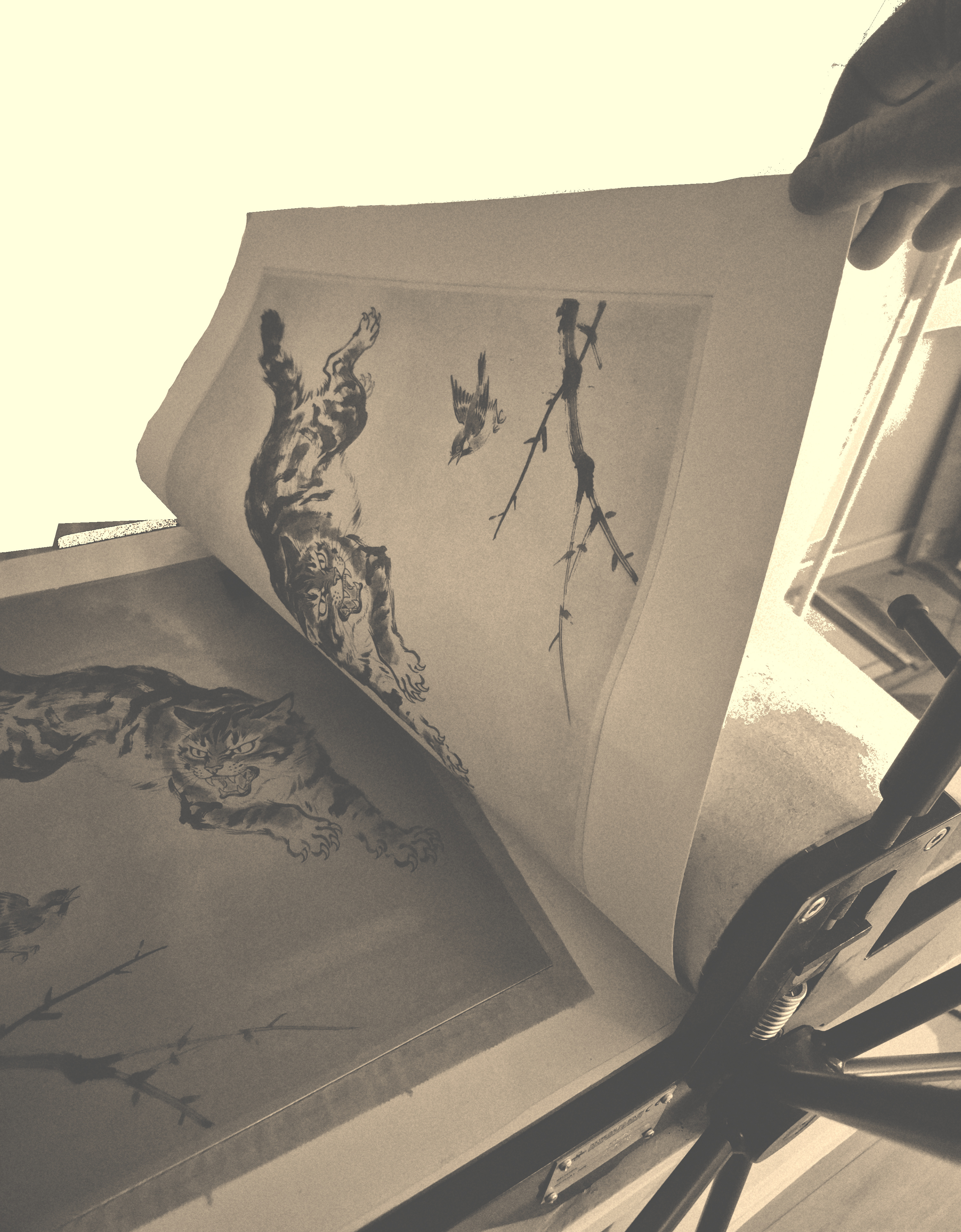
I routinely make multiple plate etchings with up to 5 or 6 different copper plates for a single print. Few artists do or did that as ‘registration‘ can be frustrating without proper setup . Well known are Luigi Kasimir and Hans Figura, both from Hungary/Austria in the mid 20th century, well represented in major museums. My multi-plate etchings do share a certain appearance that is quickly recognized by the eye, even if you’d not know their common ground.
As an artist I am exploring and applying the collaboration with AI (Artificial Intelligence), CNC robotics, 3D printers etc. as much as the traditional art and skills of etching, and I am constructing the bridge between them. Together we create the medium and space for my expression. How AI really fits in this development you can find on the ”Etching History” tab.
Sometimes I feel the cooperation with the AI’s to be actually limiting me and then I just draw the entire image by hand myself. I find those works to be a good addition to the ones I made together with the AI’s. Either way, the expression of the final result is a great deal independent of this first stage of imaging… as it comes from the intention and variations during the steel plate engraving, the inking and pressing and that’s always a purely physical and creative process where AI could not support. That’s just dirty hands and long evenings in the workshop and that’s where the magic happens.
I do not use serigraphy, photopolymer, solar plate or photo-etching. Those have their own merits but are simply not my style. Also, virtually none of the places in my works actually exist.
Process for Ceramics
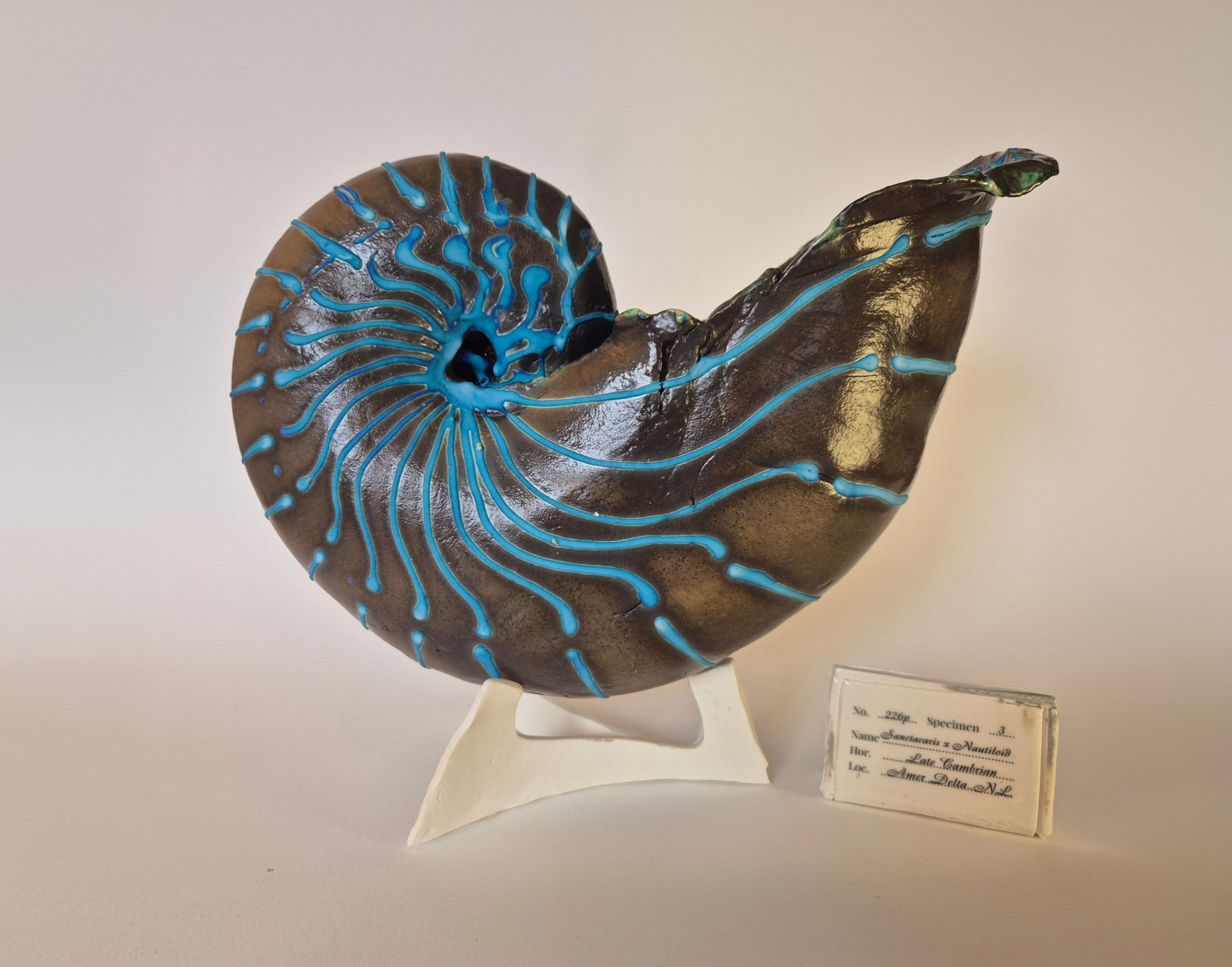
I find purpose in using latest technology combined with the most primitive clay building and firing, to bring back to life prehistoric lifeforms that appeal to my instincts.
|
start: exchanging ideas with a genAI on hypothetical prehistoric animals, their names, how they would behave in their ecosystem, visualisations etc. |
 |
|
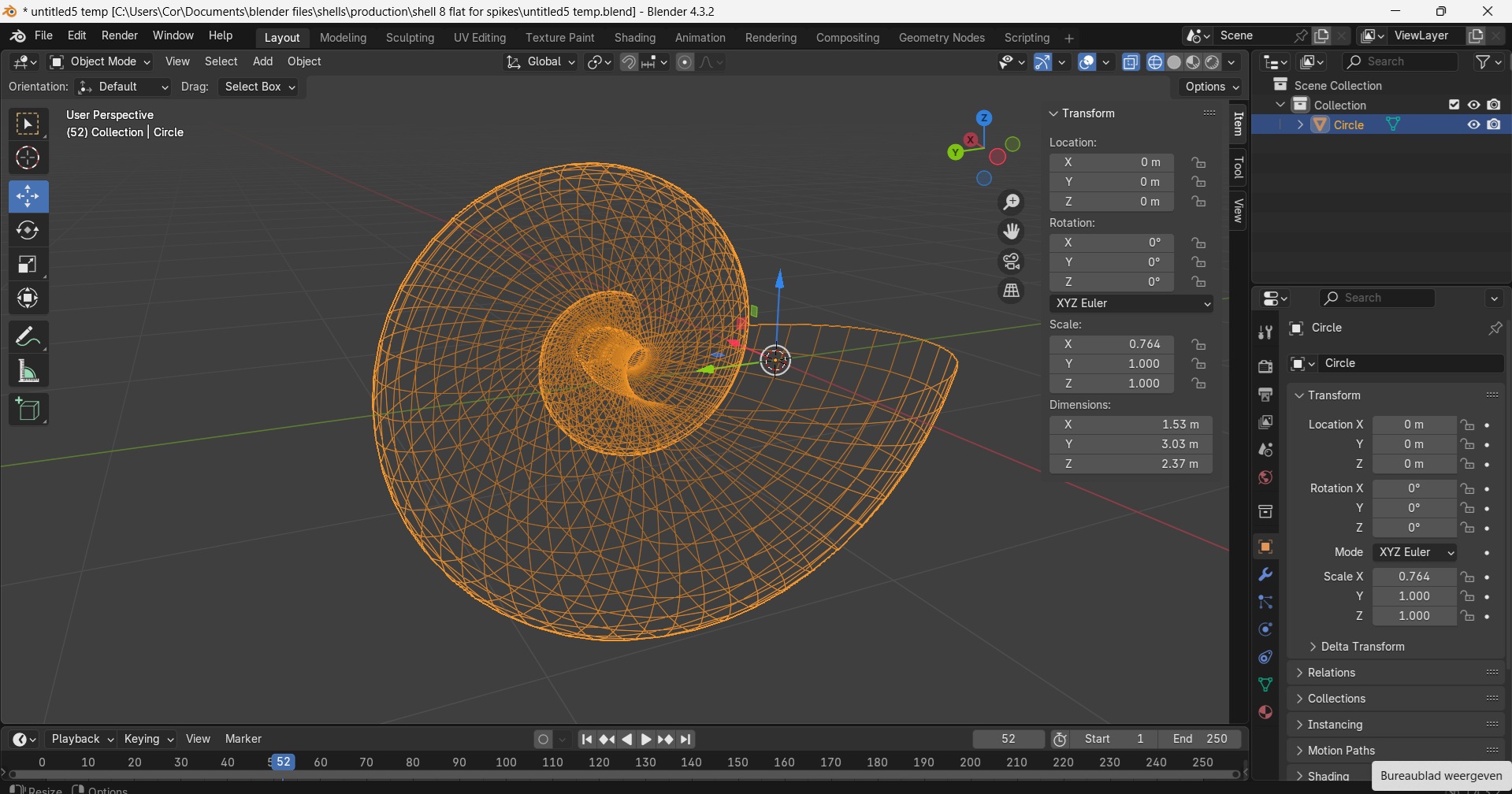
designing using open-source 3D computer graphics software |
 |
|
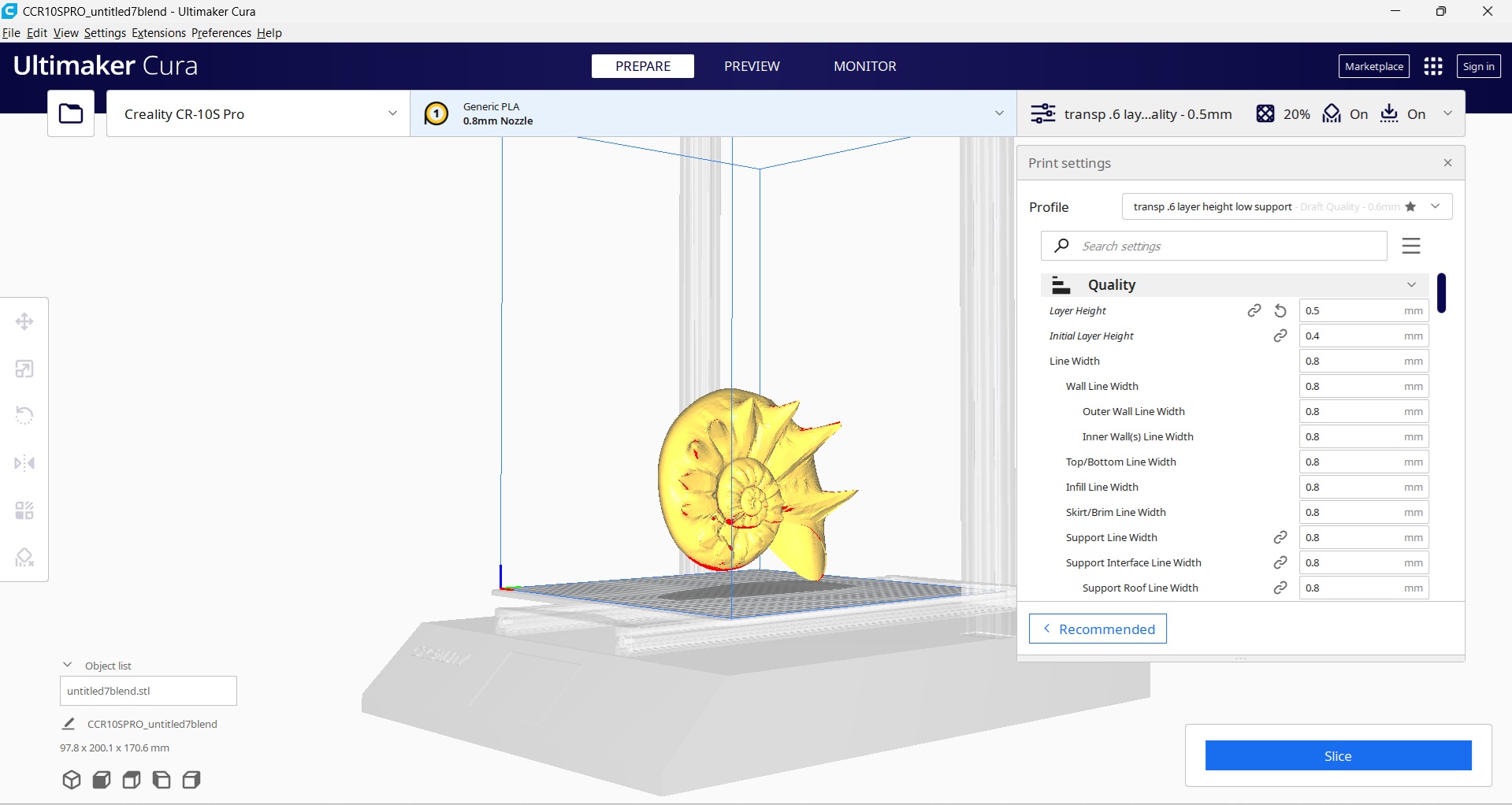
testing with aid of 3D printing of parts, mock-ups, supports, demos |
 |
|
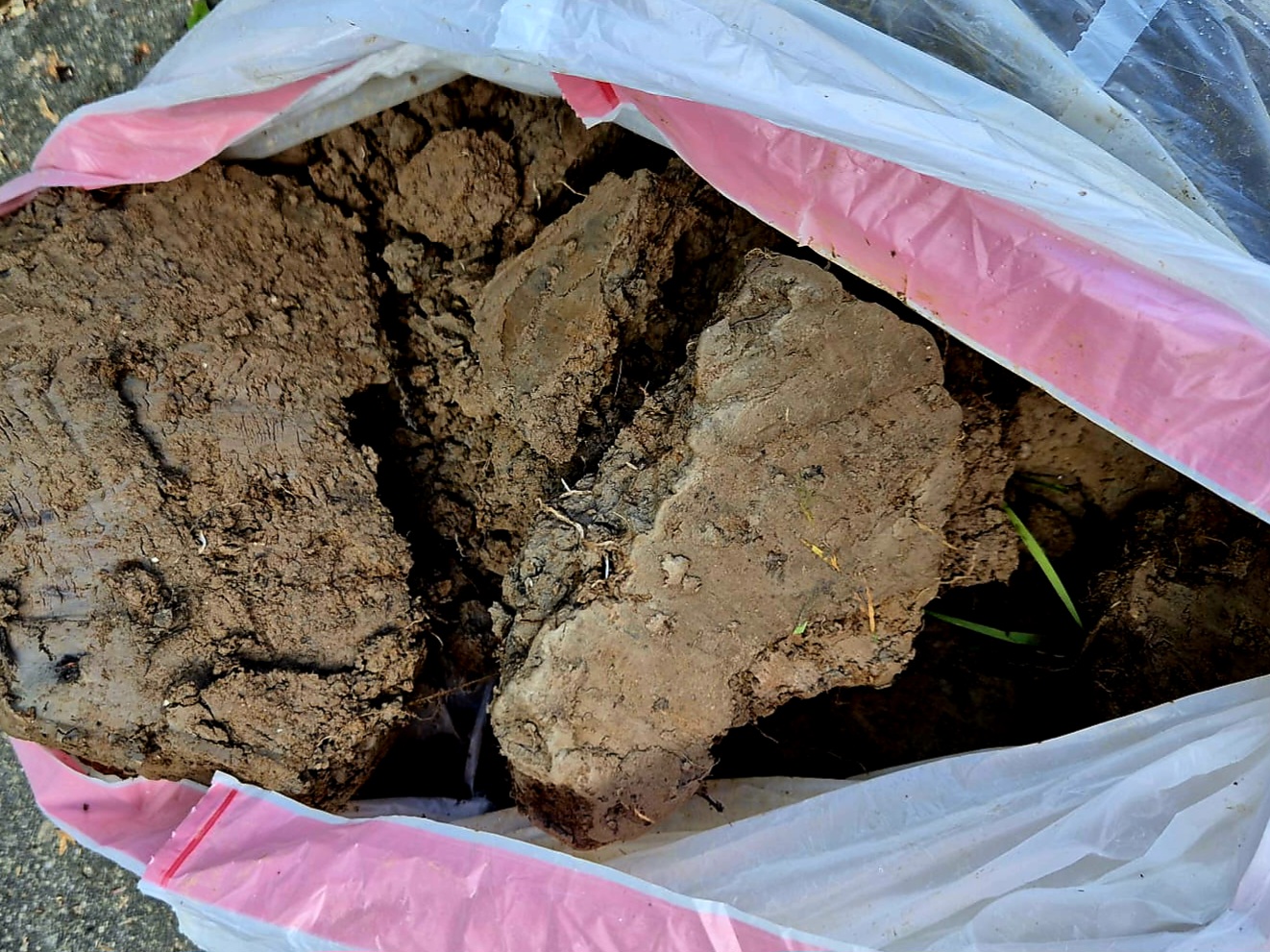
now comes the pottery phase: dig my local clay (Amer delta, NL), mix and test my own glazes. |
 |
|
building, glazing and firing those old life-forms using all traditional ceramist techniques. This phase is full of silly experiments, disappointments, and learning. But sometimes, the animal just comes to life and I’m no longer working with an object but with a being. |
 |